A soccer injury ended one career. It started another — and shaped a coaching philosophy built on the hard truth that how you move determines everything.
Before the ACL. The injury that changed everything.
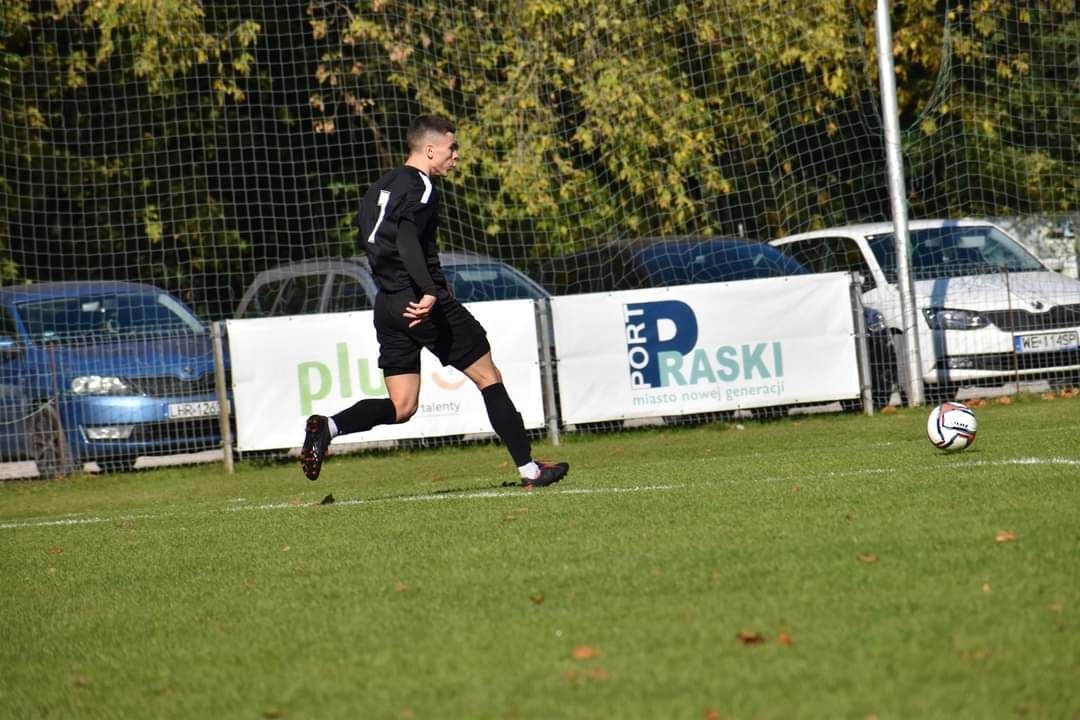
For years, the pitch was everything. Competitive soccer shaped how I moved, how I competed, and how I thought about athletic performance. Then came the ACL.
The injury that ended my playing career forced me to look at the body differently — not as something to push harder, but as a system to understand. I became obsessed with the question: why do athletes break down? And more importantly, how do you build them back better?
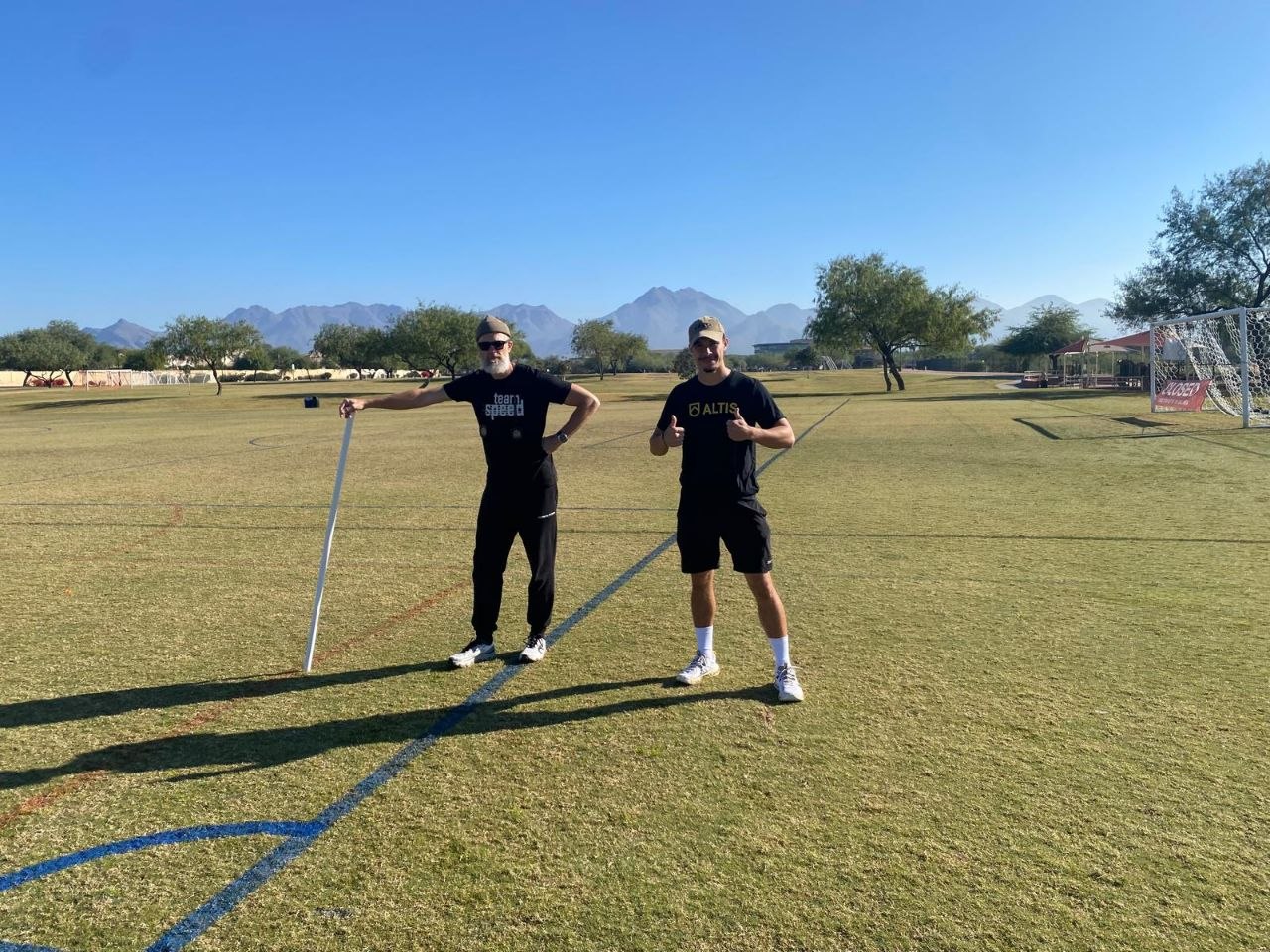
That question took me from Warsaw to Phoenix, Arizona — to ALTIS, one of the world's premier sprint and performance training centers. The internship changed everything. I trained alongside legendary sprint coaches Dan Pfaff and Stu McMillan. I watched how they diagnosed movement, how they built programs around an athlete's specific dysfunction, not just their sport. The methodology was sharp, systematic, and grounded in biomechanics in a way I hadn't seen before.
Back in Warsaw, I've carried that approach into everything I do. Whether I'm working with a marathon runner, a sprinter, or a football player dealing with recurring hamstring problems — the process starts the same way: understand how they move, find what's broken, and fix it at the root.
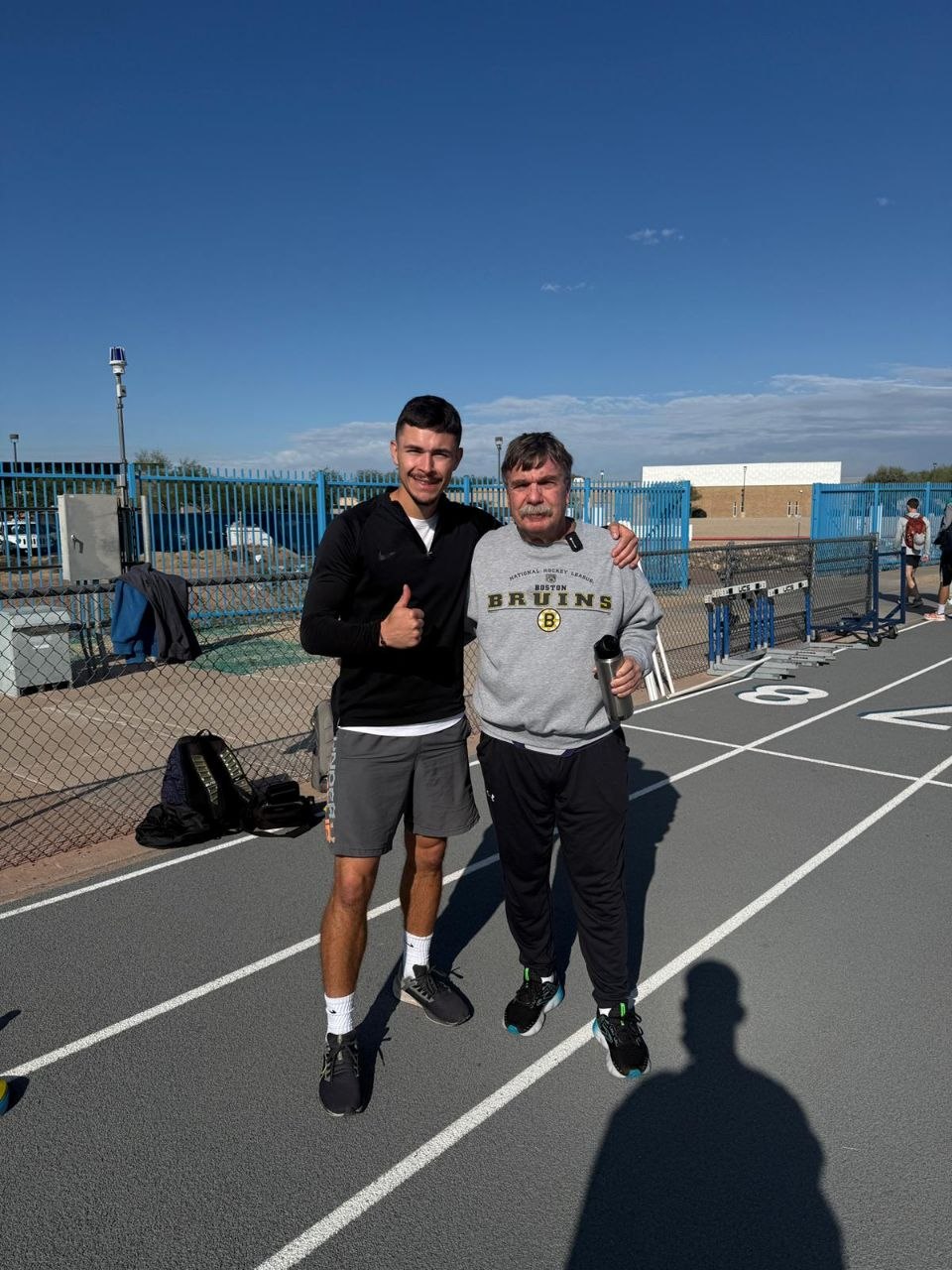
ALTIS isn't just a training center — it's where the world's top sprint and performance coaches converge. During my internship, I had the rare opportunity to learn directly from two of the most respected minds in the game.
One of the most decorated sprint coaches in history, Dan Pfaff has guided athletes to Olympic gold medals and world records across multiple decades. His systems-level approach to sprint development and athlete management is unmatched in the field. Training alongside Pfaff at ALTIS shaped the diagnostic precision I bring to every athlete I work with.
Stu McMillan leads ALTIS as CEO and one of its principal coaches. His thinking on speed development, strength-speed integration, and the philosophy of athletic preparation has influenced a generation of coaches worldwide. Having access to Stu during the internship — seeing how he builds culture and methodology simultaneously — was an education I couldn't have gotten anywhere else.
Most athletes treat symptoms. I look for causes.
When a runner comes to me with recurring hamstring issues, the problem is rarely just the hamstring. It's a movement pattern — a compensation — that's been loading that tissue in the wrong way for months or years. Fix the pattern, and the problem goes away for good. Treat the symptom, and it keeps coming back.
This approach is sport-agnostic. The fundamentals of how humans move, accelerate, decelerate, and absorb force don't change based on which sport you play. What changes is how those fundamentals apply to your specific demands — and that's where individualized programming comes in.
I work with runners, football players, basketball players, and multi-sport athletes. The methodology is the same. The programs are different.
See How We Work Together